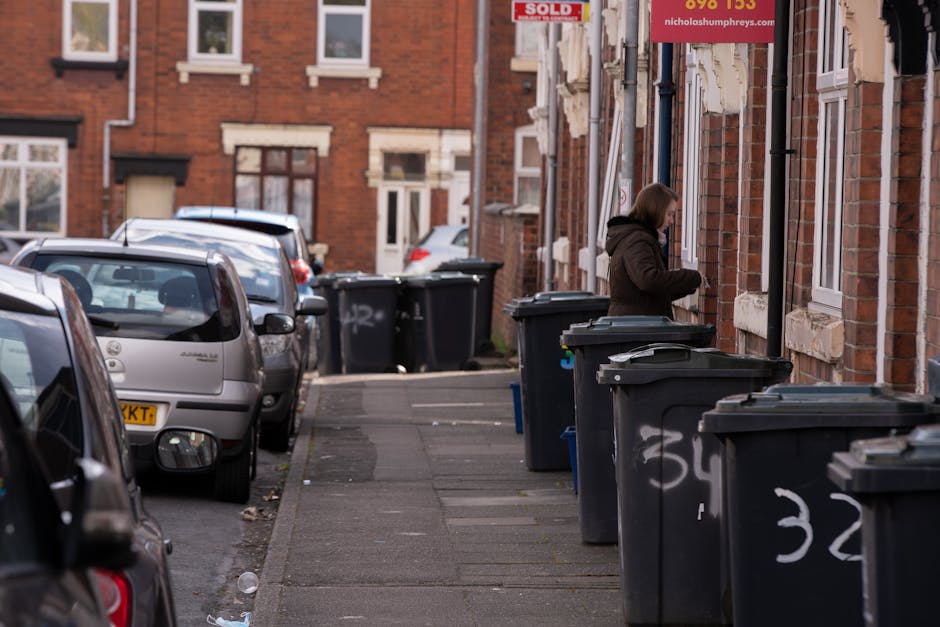
SW16 rubbish collection advice Streatham Lambeth: a practical local guide
If you live or work in SW16, rubbish has a way of building up faster than you expect. One bag becomes three, a broken chair sits in the hallway for a week, and suddenly you are thinking about access, timing, recycling, and whether the mess is even allowed to go out with the usual collection. This guide gives straightforward SW16 rubbish collection advice Streatham Lambeth for homes, flats, landlords, small businesses, and anyone trying to clear waste without stress.
We will look at how rubbish collection works in practice, what to prepare before booking a collection, how to avoid common mistakes, and when a more specialist service makes more sense. You will also find a checklist, a comparison table, and a realistic example based on the kind of clearances people in Streatham deal with every day. No fluff. Just useful advice you can actually use.
Why SW16 rubbish collection advice Streatham Lambeth matters
Rubbish collection sounds simple until you have bulky items, mixed waste, awkward access, or a deadline hanging over you. In Streatham and the wider SW16 area, the reality is often a mix of narrow stairwells, shared entrances, parking pressure, and properties where every trip to the street matters. Good advice saves time, cuts avoidable costs, and helps you avoid the sort of disposal errors that lead to delays or extra handling.
It also matters because waste is not all treated the same. General household rubbish, furniture, garden waste, electrical items, builders' rubble, confidential paper, and hazardous materials all need different handling. If you put the wrong thing in the wrong place, you can create a safety issue or an unnecessary headache. Not ideal, and nobody wants to explain that to a landlord, building manager, or neighbour on a damp Tuesday morning.
For many households, the main challenge is not the amount of waste itself. It is the friction around it: where to store it, when to move it, who can lift it, and whether it needs specialist disposal. That is where local, practical rubbish collection advice becomes genuinely valuable. It helps you plan the job instead of reacting to it.
Expert summary: In SW16, the best rubbish collection plan is usually the one that matches your access, your waste type, and your timing. If those three things line up, the whole job becomes far easier.
How SW16 rubbish collection advice Streatham Lambeth works
The basic process is usually more straightforward than people expect. First, you identify what needs removing. Then you sort the items into clear groups. After that, you decide whether it is a small domestic clear-out, a bulky item collection, or a larger waste removal job that needs more than one pair of hands. Simple enough in theory; in real life, the tricky bit is often access.
In a typical Streatham flat, for example, a collection may involve carrying furniture down stairs, avoiding damage in communal hallways, and making sure the vehicle can stop close enough to load quickly. In a terraced house, it may be a side return, a garden gate, or a front pavement that gets in the way. One small detail can change the entire approach.
For larger or mixed loads, it helps to think in terms of categories:
- General waste: mixed household rubbish, packaging, broken small items
- Bulky waste: wardrobes, tables, sofas, mattresses, cupboards
- Special items: fridges, freezers, appliances, and electrical items
- Trade or renovation waste: plasterboard, timber, tiles, soil, rubble
- Higher-risk waste: paints, chemicals, sharp objects, or contaminated materials
That classification matters because it affects how the waste should be handled and which service is appropriate. If you are unsure, it is better to separate items first and ask clear questions before anything is lifted. That small pause often prevents bigger trouble later.
Many people also compare rubbish collection with skip use. A skip can work well for ongoing projects, but for fast clearances, awkward access, or mixed bulky waste, a direct collection is often easier. If you want to understand what sorts of items are normally accepted in a skip, the page on what can go in a skip is a useful place to start.
Key benefits and practical advantages
The main benefit is obvious: your space becomes usable again. But the real advantage is how much pressure it removes from the day-to-day routine. A cleared hallway, a usable spare room, or a tidy yard can change how a property feels. You notice it immediately. Less clutter. Less dust. Fewer things to trip over.
There are also a few less obvious gains:
- Faster turnaround: suitable for end-of-tenancy deadlines, moves, or pre-sale tidy-ups
- Less manual strain: especially useful for heavy furniture and awkward items
- Cleaner sorting: mixed loads can be separated properly rather than dumped all together
- Better recycling outcomes: reusable and recyclable materials can be handled more responsibly
- Reduced disruption: short, planned removal is easier on neighbours and building users
There is another benefit that people often miss: good collection advice helps you avoid paying for wasted space. If you overestimate the load, you may book more than you need. If you underestimate it, you end up with a half-finished job and more stress. A measured, realistic approach usually gives the best value.
For businesses in particular, rubbish collection advice helps keep operations tidy without turning staff into unofficial removals crews. If your office, shop, or workspace is filling up with old fittings, paper, packaging, and redundant equipment, a professional route may make more sense. The page on business waste removal is useful if your situation leans commercial rather than domestic.
Who this is for and when it makes sense
This advice is for more people than you might think. It is not just for households doing a full clear-out. In SW16, it can help tenants, landlords, letting agents, homeowners, tradespeople, office managers, and anyone facing a pile of unwanted items that needs to go away properly.
It makes sense when you are dealing with one or more of these situations:
- moving home and needing a quick clear-down
- emptying a flat, loft, garage, or shed
- getting rid of a sofa, mattress, or broken appliance
- clearing post-renovation rubble or builders' waste
- dealing with office clutter, old files, or redundant furniture
- preparing a rental property for new occupants
- sorting a garden after pruning, landscaping, or seasonal work
If your situation involves a lot of furniture, you may also want to look at the more specific service pages for furniture clearance and furniture disposal. Likewise, if the job is a whole property clear-out, the pages for house clearance, home clearance, and flat clearance may fit better.
Truth be told, many people start with "just a few items" and end up with half a room. That is normal. Homes accumulate things quietly, then all at once. It happens.
Step-by-step guidance
Here is a simple, realistic approach to rubbish collection in SW16. Nothing fancy. Just the order that tends to work best.
- Walk the space slowly. Make a full list of what needs removing. Check cupboards, loft corners, under beds, and that one spot in the shed where things go to disappear.
- Separate the waste types. Keep general rubbish apart from reusable items, electricals, and anything that may need special handling.
- Measure awkward items. Sofas, wardrobes, appliances, and large desks can surprise you at the door. A quick measurement saves a lot of awkward twisting later.
- Check access. Note stairs, lifts, narrow hallways, parking restrictions, gates, and any shared entrance rules.
- Identify anything sensitive or risky. Sharps, paint tins, chemicals, batteries, or confidential papers should be flagged early.
- Choose the right method. Decide between direct collection, specialist clearance, or a skip if the project is ongoing.
- Ask for a clear quote. Make sure the estimate reflects the actual items, access conditions, and likely labour time.
- Prepare the load area. Clear a route to the front door or access point. Move pets, protect floors if needed, and leave items grouped neatly.
- Confirm timing. If you are in a flat, a managed building, or a shared property, make sure the slot works for everyone involved.
When the waste is mainly building-related, a dedicated clearance option can be much safer. The page on builders waste clearance is a better fit for rubble, mixed construction debris, and renovation leftovers than a general domestic clear-out.
For garden jobs, choose a route that suits cuttings, branches, soil, and outdoor debris. The garden clearance page is relevant if the pile is more green waste than household clutter.
Expert tips for better results
A few small decisions can make the entire process smoother. In our experience, the people who get the best results tend to do three things well: they sort early, they describe the waste honestly, and they think about access before collection day. Sounds obvious, but it is where most good jobs are won.
Try these tips:
- Group items by room so nothing gets missed during the final sweep.
- Put fragile or messy items aside so they do not spread dust or break further.
- Photograph the load if you are trying to compare options or explain the job clearly.
- Keep doors and pathways clear from the start. It saves time and lowers the risk of knocks and scuffs.
- Be honest about special items like fridges, mattresses, or damp waste. Nobody likes surprises halfway through a lift.
- Think about the end point as well as the collection. If a room needs to be left usable the same day, plan for that.
If you are getting rid of white goods or large appliances, a targeted service is usually safest. Have a look at fridge and appliance removal if that is part of your load. And for beds, divan bases, or lounge furniture, the specialist pages for mattress and sofa disposal can be more appropriate.
A tiny but useful tip: if you are clearing a flat, let neighbours know if the lift or communal entrance might be busy. It is a small courtesy, but it can prevent that slightly awkward hallway stand-off we all know too well.
Common mistakes to avoid
The biggest mistakes are usually basic, which is why they keep happening. The good news is they are easy to avoid once you know what to look for.
- Mixing hazardous items with general rubbish. This is one of the most avoidable problems.
- Underestimating access issues. A second-floor flat with no lift is not the same as a ground-floor load-out.
- Forgetting about parking. In Streatham, a few extra minutes spent on where a vehicle can stop can save a lot of frustration.
- Leaving sorting until collection day. That is how jobs stretch out and become messy.
- Assuming everything can go together. Appliances, plasterboard, confidential paperwork, and furniture may need different handling.
- Choosing a service based only on price. Cheapest is not always best if the provider cannot handle your load properly.
Another common issue is not checking whether a load is really domestic or business-related. A home office, a small retail unit, or a landlord's void property can drift into a grey area. When that happens, it is worth being clear from the start. Cleaner communication makes for cleaner results, which, fair enough, is exactly the point.
If your waste includes confidential material, do not treat it like ordinary paper. A dedicated option such as confidential shredding is more sensible than hoping for the best. Hope is not a waste strategy.
Tools, resources and recommendations
You do not need specialist equipment for every clearance, but a few simple tools make the job easier and safer. A decent trolley, heavy-duty bags, gloves, tape, a marker pen, and a basic tape measure go a long way. For dusty lofts or garage clear-outs, a mask and torch can also be helpful. Nothing glamorous. Just practical kit.
Useful resources to think about include:
- Room-by-room inventory sheet for planning and estimating the volume
- Phone camera for recording the load before removal
- Simple labels for separating items to keep, donate, recycle, or remove
- Access notes covering stair counts, parking, and door widths
- Collection-day checklist so nothing important is forgotten
From a service perspective, the most useful pages depend on what you are clearing. For garages, there is garage clearance. For loft clutter, the right starting point is loft clearance. For offices, use office clearance. It is better to match the service to the waste than to squeeze the waste into the wrong box, so to speak.
If you want to compare disposal choices more broadly, the waste removal page is a useful general reference point. And if pricing is the part you are trying to get your head around, the pricing and quotes page can help you understand how estimates are usually approached.
Law, compliance, standards, and best practice
Waste handling in the UK needs care, and while you do not need to become a compliance expert just to clear a room, it helps to understand the basics. The key principle is simple: waste should be stored, moved, and disposed of safely, and any special or hazardous items need appropriate handling. That applies whether you are a homeowner, a landlord, or a business.
Best practice usually includes the following:
- keeping waste separated where practical
- avoiding unsafe manual lifting
- not mixing general waste with hazardous or specialist items
- using insured, competent help for heavier or riskier removals
- protecting shared areas, floors, and doorways during a clearance
For businesses, the expectations are often a bit stricter because records, duty of care, and safe storage tend to matter more. If you are handling a workplace clearance, the company's health and safety policy and insurance and safety information are worth reviewing before the job starts.
If your waste includes items that may be classed as hazardous, do not guess. Paints, chemicals, contaminated materials, and some electrical components can need specialist handling. The page on hazardous waste disposal is the sensible place to look when the load is more than ordinary household rubbish.
For people who care about where waste ends up, recycling matters too. Sorting reusable metal, wood, cardboard, and suitable furniture before disposal can make a real difference. The recycling and sustainability page reflects that practical approach well.
Options, methods, or comparison table
There is no single best option for every SW16 job. The right method depends on volume, access, waste type, and how quickly you need the space cleared. Here is a simple comparison.
| Method | Best for | Pros | Watch out for |
|---|---|---|---|
| Kerbside household collection | Small amounts of general household rubbish | Simple, familiar, low effort for small loads | Limited for bulky, mixed, or awkward waste |
| Direct rubbish collection | Bulky items, mixed waste, fast clearances | Quick, flexible, good for access challenges | Needs clear item descriptions and access planning |
| Skip hire | Ongoing projects and renovation waste | Useful over several days, good for self-loading | Requires space, permits may be relevant, can be less convenient for flats |
| Specialist clearance | Full house, flat, office, loft, or garage clear-outs | Best for larger jobs and mixed item sorting | Needs good planning and accurate scope |
If you are unsure, ask yourself one plain question: do I want to move the waste myself, or do I want it handled from start to finish? That answer usually points you in the right direction. Simple, but effective.
For people still weighing up skip versus collection, the what can go in a skip guide can help you compare what works best for the material you have.
Case study or real-world example
Here is a realistic example from the kind of job many SW16 residents face. A couple in a first-floor flat in Streatham were clearing after a move. They had an old sofa, a bed frame, two mattresses, several bags of mixed household rubbish, and a bulky wardrobe that had been sitting dismantled in the bedroom for far too long. Nothing dramatic. Just a lot of items in a limited space.
The main challenge was not the amount of rubbish. It was the access. The stairwell was narrow, the communal entrance was shared, and there was no easy place to stage the items. The couple sorted the waste into separate groups the day before, measured the wardrobe pieces, and cleared the hallway so the load-out could move quickly. They also flagged the mattresses in advance, which mattered because those items are easiest to deal with when identified clearly from the start.
The result was a smoother collection, less time spent arguing with the furniture, and no last-minute panic in the corridor. The flat felt bigger straight away. One of those small moments where you suddenly notice the echo in the room. A bit satisfying, honestly.
That example shows the key lesson: the best rubbish collection in SW16 is rarely about brute force. It is about preparation, communication, and choosing the right disposal route for each item. Not glamorous, but it works.
Practical checklist
Use this quick checklist before collection day. It keeps things moving and reduces the chance of a missed item or a delay.
- Make a full list of all waste and bulky items
- Separate general rubbish from recyclables and specialist items
- Check for anything hazardous, sharp, wet, or contaminated
- Measure oversized furniture and appliances
- Confirm stair access, lift access, and parking conditions
- Clear the path from the waste area to the exit
- Set aside any items you want to keep, donate, or sell
- Flag confidential papers for secure disposal
- Review pricing, timing, and service scope before booking
- Keep pets, children, and residents away from the working route
If the job involves room-by-room emptying, a broader service such as home clearance or house clearance can be a better fit than trying to piece things together yourself.
Conclusion
Good SW16 rubbish collection advice Streatham Lambeth is really about making the job manageable. When you sort the waste properly, understand the access, and choose the right collection method, the whole process becomes simpler and safer. That applies whether you are clearing one sofa or a whole flat.
The strongest results usually come from calm preparation rather than rushed decisions. A few photos, a bit of sorting, and a realistic assessment of what needs to go can save a surprising amount of time. And if you are dealing with bulky furniture, appliances, builders' waste, or a bigger property clearance, it is often worth using a service designed for that exact kind of load.
Get a free quote today and see how much you can save.
Whatever stage you are at, the best next step is the one that gets the clutter out of the way and gives you your space back. There is a quiet relief in that, once it is done.
Frequently Asked Questions
What does SW16 rubbish collection advice Streatham Lambeth actually cover?
It covers practical guidance for getting rid of household waste, bulky items, mixed rubbish, garden waste, furniture, appliances, and other unwanted items in the SW16 area. It also helps with planning, access, sorting, and choosing the right disposal method.
Is rubbish collection better than hiring a skip in Streatham?
Sometimes yes, sometimes no. Rubbish collection is often better for flats, tight access, bulky furniture, or fast clearances. Skip hire can be better for ongoing renovation work where you want to load items yourself over time.
How do I know if my waste needs specialist handling?
If it includes chemicals, paint, sharp materials, contaminated items, fridges, freezers, or confidential paperwork, it may need a specialist approach. When in doubt, separate it and ask before collection day rather than assuming it can go with ordinary rubbish.
Can I put furniture out with normal rubbish collection?
Not always. Large furniture usually needs bulky waste collection or a clearance service, especially if it is too large for standard bins or collection points. Sofas, wardrobes, mattresses, and tables are common examples.
What should I do before a rubbish collection arrives?
Sort the items, clear access routes, identify anything fragile or hazardous, and check parking or building access. A little preparation makes the collection faster and reduces the chance of mistakes.
Do I need to separate recyclable items myself?
It helps a lot, especially if you want the job to be quicker and cleaner. Recyclable materials such as cardboard, wood, metal, and some furniture types can often be separated from general rubbish before removal.
What if I live in a flat with no lift?
That is common in SW16, and it is exactly why access planning matters. Measure large items, check stair width, and make sure the collection method you choose is suitable for carrying items down several floors.
Is business waste handled differently from home rubbish?
Often, yes. Business waste can involve office furniture, paper shredding, equipment, or compliance concerns that do not usually apply to domestic rubbish. A business waste approach is usually more suitable for offices, shops, and workspaces.
How do I dispose of a fridge or freezer safely?
Fridges and freezers should be handled through a service that understands appliance removal. They are bulky, heavy, and not just another piece of rubbish. They also need proper handling because of their components and construction.
Can I include a mattress with my rubbish collection?
Yes, but mattresses are often easiest to handle through a specialist disposal route. They are awkward, bulky, and can be difficult to place neatly with general waste. It is better to mention them in advance.
What is the best way to price a clearance job fairly?
The fairest approach is to be honest about the volume, item types, and access conditions. A clear description usually leads to a clearer quote. If there are stairs, heavy items, or awkward parking, mention those early.
How can I make sure my rubbish is disposed of responsibly?
Choose a provider that explains how waste is handled, values recycling, and separates specialist items properly. Responsible disposal is not just about getting things out of sight; it is about making sure they are dealt with in a sensible, lawful way.
What should I do if I am clearing a whole room or property?
Use a room-by-room plan and consider a broader service such as home, house, loft, garage, or flat clearance. Bigger jobs are easier when you split them into sections and decide what is staying, what is going, and what needs special disposal.